How much energy does AI really use?
A single chatbot question uses less power than you might fear. The data centers behind them are another story. What the best available numbers say about AI’s electricity bill.
Daniel Reyes
3 min read
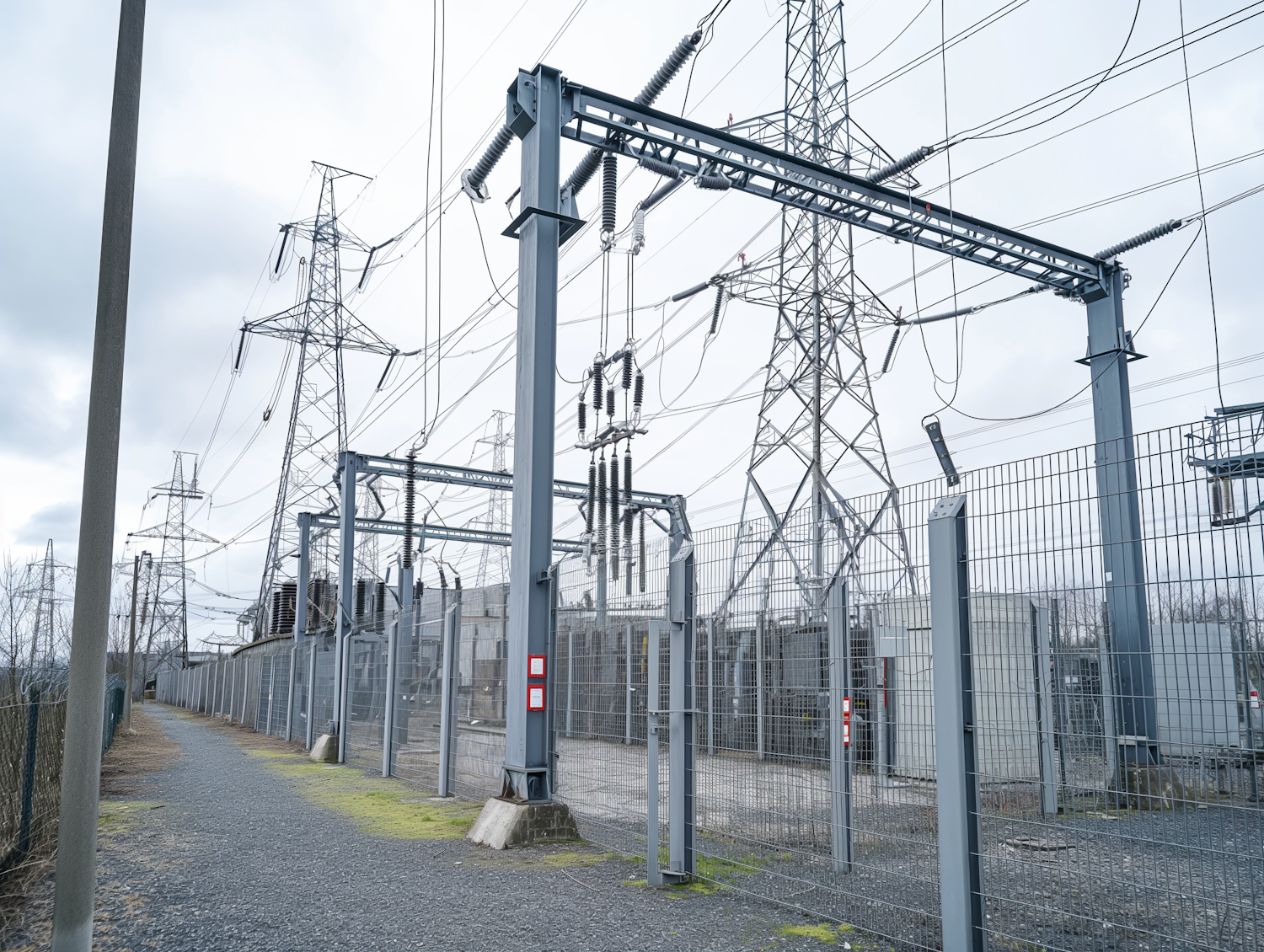
Few questions about AI generate more heat, in every sense, than its energy use. Depending on what you read, a single chatbot question is either an environmental catastrophe or a rounding error. The truth is more interesting: the energy cost of an individual query is small and falling, while the total demand from the data centers behind AI is growing fast enough to reshape power grids.
The cost of a single question
For years, estimates of how much energy a chatbot query uses were based on outside guesswork and varied widely. In 2025, the companies themselves began publishing figures. Google reported that a median text prompt to its Gemini apps uses about 0.24 watt-hours of electricity, roughly the energy of watching television for nine seconds. OpenAI’s chief executive, Sam Altman, put the average ChatGPT query at about 0.34 watt-hours.
These numbers deserve some caution. They are self-reported, measured in different ways and apply to typical text requests. Generating images or video, or asking a reasoning model to work through a hard problem at length, can use many times more energy than a simple question. Still, they suggest that for an individual, everyday chatbot use is a small slice of a personal energy footprint compared with heating, driving or flying.
The bigger picture: data centers
The more consequential number is the total. According to the International Energy Agency’s 2025 report Energy and AI, data centers consumed around 415 terawatt-hours of electricity in 2024, about 1.5 percent of global electricity use. The United States accounted for the largest share, followed by China and Europe.
The agency projects that electricity demand from data centers will more than double by 2030, to around 945 terawatt-hours, slightly more than Japan’s entire electricity consumption today. AI is the biggest driver of that growth.
- A typical AI-focused data center uses as much electricity as 100,000 households.
- The largest facilities now under construction are expected to use 20 times as much.
- Because data centers cluster in specific places, their local impact on grids can be far larger than the global percentage suggests.
Why efficiency gains have not slowed demand
AI hardware and software have become dramatically more efficient. The energy needed to produce a given answer has fallen sharply as chips improve and models are optimized. But cheaper answers tend to mean more answers: more users, more features and more ambitious uses like long-running agents and video generation. Economists call this the rebound effect, or the Jevons paradox, after a 19th-century observation that more efficient steam engines led Britain to burn more coal, not less.
Water and carbon
Electricity is not the only resource involved. Many data centers use water for cooling, and the carbon footprint of their electricity depends entirely on the local grid. A data center running on hydroelectric or nuclear power has a very different footprint from one drawing on coal. Major technology companies have signed large contracts for renewable and nuclear power, while some new facilities rely on natural gas in the near term to meet demand quickly.
The questions worth asking
- How was the number measured? Per-query figures depend heavily on what is counted, from the chips alone to cooling and idle capacity.
- What kind of task? A short text answer, an image and an hour-long agent session are very different workloads.
- Where is the power coming from? The same kilowatt-hour can be nearly carbon-free or carbon-heavy depending on the grid.
- What does it replace? If AI makes a task faster, the energy comparison should include the alternative.
The honest answer to how much energy AI uses is: a little per question, and a lot in total, with the total rising quickly. Both halves of that sentence matter, and good policy depends on keeping them in view at the same time.